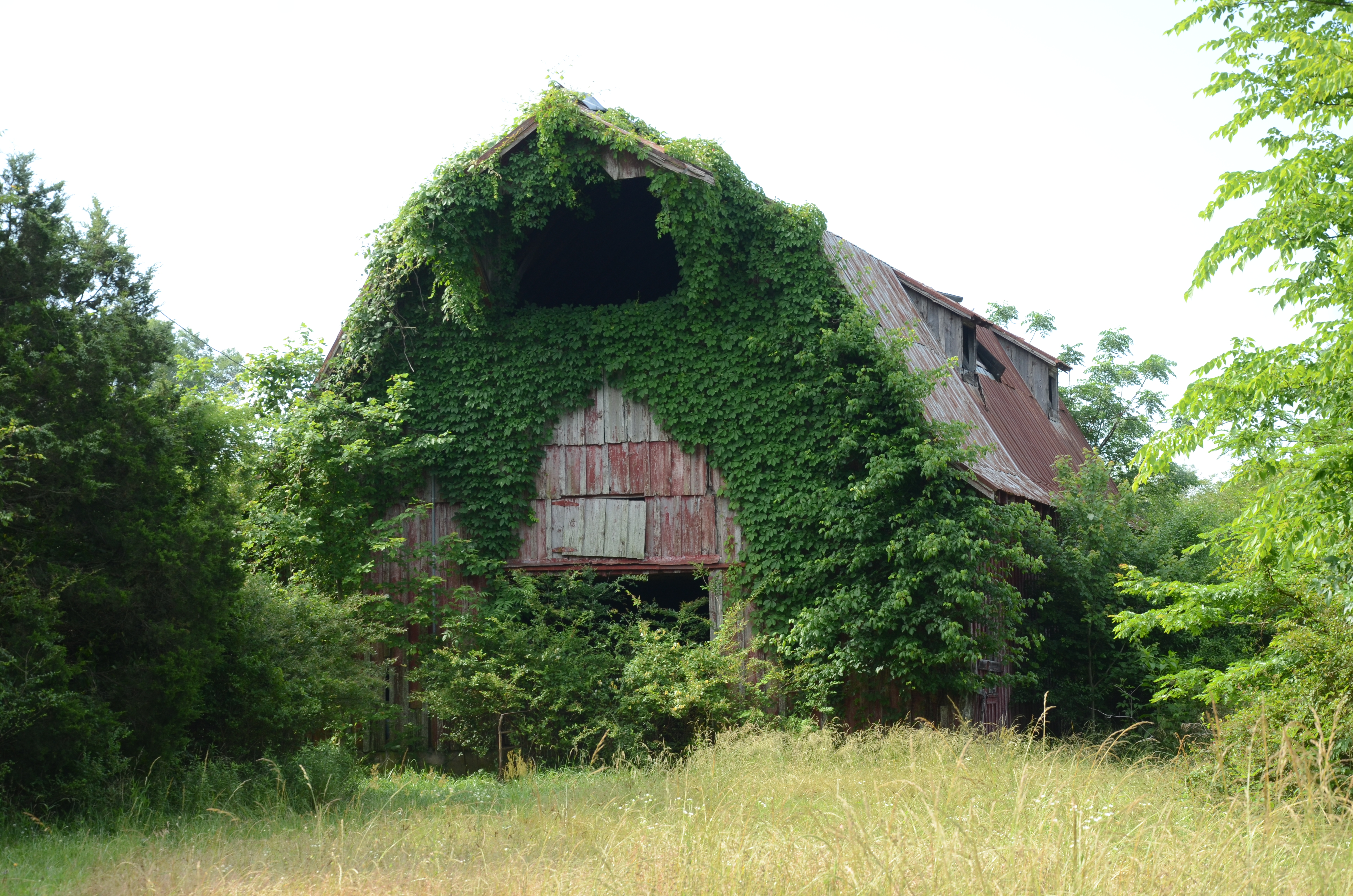
He hadn’t expected company. The figure materialized from the choking kudzu flanking the track, startling him. Old Man Pritchard, his face the color and texture of sun-baked clay beneath a stained straw hat. He leaned on a gnarled walking stick, his eyes, milky with cataracts, fixed unerringly on Thomas.
“Mornin’, Thomas,” Pritchard rasped, his voice like dry corn husks rubbing together. He didn’t smile.
“Mr. Pritchard,” Thomas nodded, wiping sweat from his brow with a tattered blue bandanna. “Hot one.”
“Ain’t it just.” Pritchard spat a stream of brown tobacco juice into the dust near Thomas’ worn boot. His gaze slid past Thomas, settling on the decrepit barn. The silence stretched, thick and uncomfortable. The cicadas seemed to scream louder.
Finally, Pritchard spoke again, his voice dropping low, barely audible over the insect drone. “Where you headed, son?”
Thomas shifted, the worn leather of his satchel strap digging into his shoulder. He carried a borrowed camera, a foolish notion of capturing the decaying grandeur of the forgotten farm. “Thought I’d take a look at the old Carver barn, sir. Heard tell it’s got history.”
A muscle twitched in Pritchard’s leathery cheek. He took a slow step closer, the smell of sweat and Red Man tobacco sharp in the heavy air. His milky eyes seemed to sharpen, pinning Thomas where he stood. “Carver barn,” he repeated, the words tasting sour. “History, yeah. Bad history.”
He paused, looking not at Thomas, but through him, towards the structure. When he spoke again, it wasn’t louder, but the intensity cut through the heat haze like a shard of ice.
“I wouldn’t go in there if I were you.”
Thomas felt a prickle crawl up his spine, unrelated to the sun. “Why’s that, Mr. Pritchard? Place looks like it’ll fall down if you sneeze hard.”
Pritchard’s lips tightened into a thin, bloodless line. “Ain’t the wood I’d worry ’bout givin’ way, son.” He tapped his walking stick hard on the packed earth. Dust puffed up like a tiny ghost. “Old Man Carver… he weren’t right. Not after his boys… well.” He trailed off, his gaze distant, haunted. “Things happened in that barn. Things that ain’t meant to be seen. Or remembered.”
Thomas tried to laugh, but it came out dry and brittle. “Ghost stories, Mr. Pritchard? Ain’t you a mite old for that?”
The old man’s head snapped around, those cloudy eyes suddenly fierce. “Ghosts?” he hissed. “Ghosts are clean, boy. They just… linger. What’s in that barn… it stuck. Like tar. Like bad blood.” He leaned in, his breath hot and stale. “Heard things. Late at night. Sounds… not animal, not human neither. Scrapin’. Whimperin’. And the smell …” Pritchard shuddered, a full-body tremor. “Sweet-rot. Like spoiled peaches and somethin’… coppery.”
Thomas swallowed, his mouth suddenly dry. The oppressive heat felt heavier, charged. He glanced at the barn. The gaps between the warped boards looked like black, staring eyes. “Carver’s been gone more’n twenty years. What could possibly…”
“Gone?” Pritchard spat the word. “He left. Didn’t mean he took it all with him. Some things… some things you plant deep, they take root.” He pointed a gnarled finger, trembling slightly. “You go pokin’ around in that dark, stirrin’ up the dust… you might just wake somethin’ up that ain’t got no business bein’ woke. Somethin’ hungry. Somethin’ that remembers.”
He straightened up with a groan, the momentary fire fading from his eyes, replaced by a weary dread. “Leave it be, Thomas. Ain’t nothin’ in there for you but trouble. Deep, dark trouble. Go on back to town. Forget this place.”
Pritchard didn’t wait for a reply. He turned and shuffled back into the wall of kudzu, vanishing as silently as he’d appeared, swallowed by the relentless green.
Thomas stood alone on the track, the old man’s words echoing in the sudden, heavy silence. The cicadas had stopped. The only sound was the frantic thudding of his own heart against his ribs. The barn loomed ahead, no longer just a decaying structure, but a maw. The afternoon sun seemed unable to penetrate its shadowed porch. A single shutter hung loose, creaking softly on a rusted hinge – a sound that now felt horribly like an invitation. Or a warning.
Pritchard’s fear had been real, palpable, a contagion in the still air. “Stirrin’ up the dust… wake somethin’ up… somethin’ hungry.” The borrowed camera felt absurdly heavy, a frivolous weight against the suffocating dread.
He took a step forward. The dust puffed around his boots. Another step. The scent of dry rot and hot pine was now undercut by something else, faint but undeniable: a cloying sweetness beneath the decay, like forgotten fruit left too long in a dark cupboard. And beneath that… something metallic. Sharp.
He was at the edge of the barn’s shadow now. The coolness radiating from its weathered boards was obscene in the baking heat. He saw the heavy padlock on the double doors was rusted shut, but one of the smaller side doors hung slightly ajar, a sliver of utter blackness beckoning.
“I wouldn’t go in there if I were you.”
Thomas lifted the kerosene lantern he’d brought, its glass warm from the sun. His hand shook as he struck a match. The flame flared, then steadied, casting a small, defiant circle of light in the encroaching gloom. He looked back down the empty, sun-blasted track. Piedmont felt a million miles away.
Taking a deep breath that did nothing to steady him, Thomas Henderson pushed the creaking side door wider, and stepped into the sweet-rot darkness of the Carver barn. The door groaned shut behind him, the latch clicking softly into place. Inside, the silence was absolute. And deep within that silence, something shifted in the suffocating dust.
And, you just know I can’t neglect the obligatory shameless self-promotion. New Yesterdays is available through the following links: Books-A-Million, Barnes & Noble, and Amazon as well as your favorite bookshops. The Audiobook is available from Libro.fm, as well as Amazon.


 olbigjim