
Peter and Tim had been together nearly twenty years, long enough that the neighbors thought of them as part of the scenery—like the maple tree in the front yard or the crack in the sidewalk outside their house. They’d met in the late ’90s, back when they were both young enough to believe the hard parts of life could be outrun.
They couldn’t, of course. But they’d managed to build something solid anyway: a small older home on the edge of town, Sunday breakfasts in bed, birthdays celebrated with cake no matter how busy they were. Their life together was never perfect, but it was steady.
And then Tim got sick.
It started with little things; a cough, fatigue, but the doctor’s words came fast and heavy: Stage IV. The kind of diagnosis that made people stop talking and just nod quietly.
From then on, the house filled with the smell of antiseptic and the sound of machines Peter never thought he’d learn to use. He cooked for Tim, helped him dress, sat with him through nights when the pain kept sleep away. They didn’t talk much about what was coming, but it brooded in the corners of every room.
One night, in early winter, Tim’s fever spiked. He woke confused, shivering, trying to climb out of bed. Peter coaxed him back under the blankets, promising he’d be okay. But Tim kept looking toward the hallway, toward the small guest room at the far end of the house.
“That door,” Tim whispered. “Don’t open it. Not yet.”
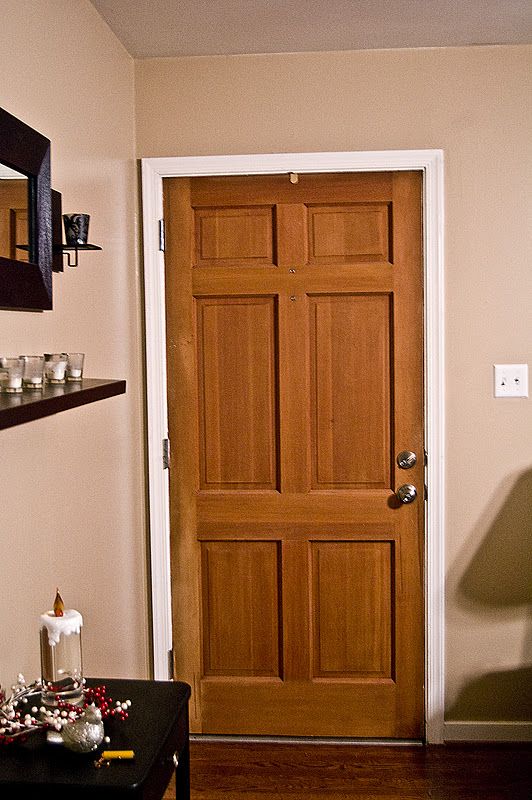
Peter frowned. The guest room had been locked for years, ever since they’d stopped using it for visitors. “Why not?”
“Promise me,” Tim said, his voice thin but urgent. “Promise you won’t open it until… after.”
Peter promised. He didn’t ask questions. Some things you let be.
Tim died in February.
After the funeral, the house was unbearably quiet. Peter wandered from room to room, finding little pieces of Tim everywhere—a sweater on the back of a chair, a book on the nightstand with a bookmark still halfway through.
Days turned into weeks. The locked door at the end of the hall seemed to press on him, a silent weight. One rainy afternoon, unable to stand it any longer, Peter found the key.
The hinges squealed as he pushed the door open.
Inside, the air smelled faintly of cedar. Against the far wall was a wooden desk, and on it, a box wrapped in brown paper. His name – Peter – was written in Tim’s hand across the top.
Peter sat in the desk chair and opened it.
Inside were dozens of letters, each sealed, each with a date written in the corner. One for his birthday every year. One for Christmas. One for their anniversary. Others with no dates at all, just words like When you’re lonely or When you think you can’t go on.

The first envelope he opened said: I love you more than our years can hold. You gave me a life I never thought I’d have. Please, don’t let the locked door be the last thing you remember about me.
Peter read until the light faded from the room, the rain still whispering against the window.
The door stayed open after that, but the space inside remained untouched.
Some part of him knew that once the letters were gone, Tim would be gone too. And Peter wasn’t ready for that. Not yet.
And, you know, I mustn’t neglect the obligatory shameless self-promotion. New Yesterdays is available through the following links: Books-A-Million, Barnes & Noble, and Amazon, as well as your favorite bookshops. The Audiobook is available from Libro.fm, as well as Amazon.



 olbigjim