Spring in northeast Alabama always snuck up the same way a cat does on a birdbath. One minute you were shiverin’ in your flannel shirt, the next minute the sun leaned in close enough to warm the back of your neck and whisper, “Fetch your hoe, son. It’s time.”
My people believed spring planting was not just a chore. It was a covenant. An understanding with the land. My PawPaw claimed the soil remembered every kindness you ever gave it, which might explain why he spoke to it like an old friend and cursed at it like an older one.
That first warm day of spring, he came into the kitchen holdin’ two cups of coffee and a grin wide enough to show the gap where his tooth had fled in 1974. He slid a mug toward me.
“Drink up, Jim Leroy,” he said. “It is plantin’ time.”
I was twelve that year and believed myself tough as shoe leather, but I had a poor understandin’ of hard work. PawPaw and my Daddy, Aaron, fixed that flaw the way old men fix everything. They handed me tools, pointed at the ground, and let nature deliver the lesson.
We walked out to the garden, which still looked like a patch of winter tryin’ to remember its own name. The soil was pale red, crusted, and cool as creek rock. PawPaw knelt, clawed up a handful, and let it spill through his fingers.
“You smell that?” he asked.
I leaned down and took in the scent. Cool dirt. Faint sweetness. A memory of last year’s tomatoes waitin’ to be reborn.
“That,” PawPaw said, “is hope tryin’ to push itself up from under the frost.”
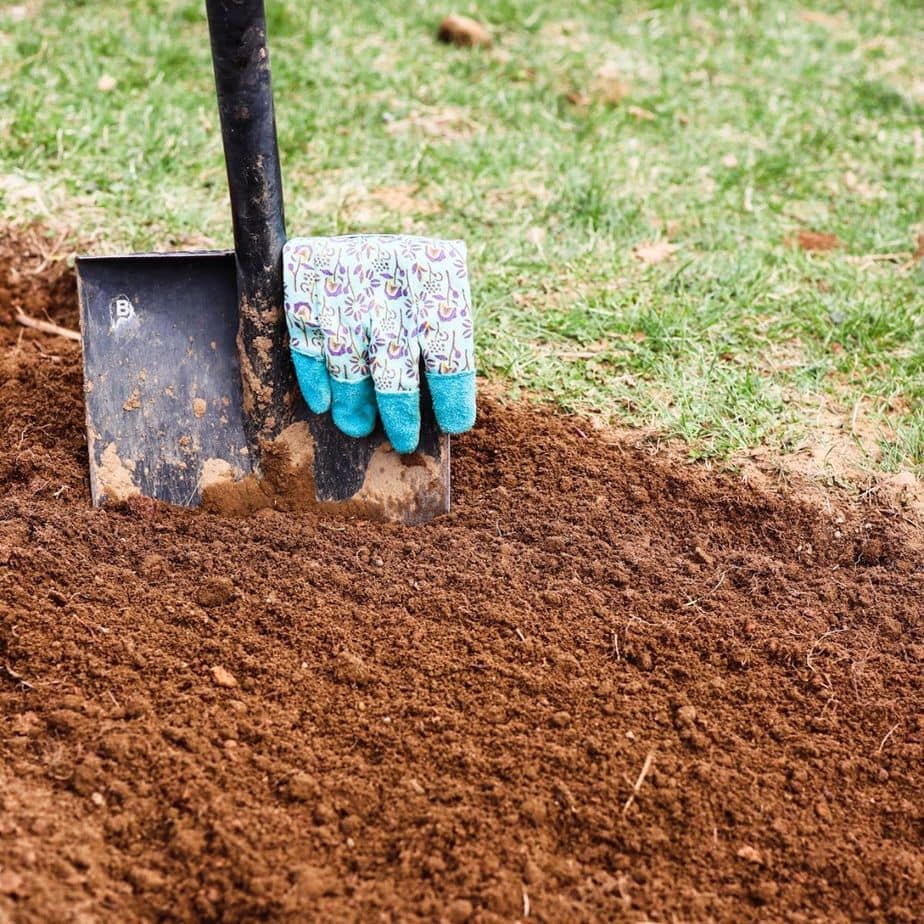
He handed me a hoe that felt heavier than any tool had a right to feel. Daddy stood at the fence line smilin’ like a man who knew the labor ahead but had no intention of spoilin’ the surprise.
“Start bustin’ rows,” Daddy said.
“That boy has never busted anything but his appetite,” PawPaw muttered.
I swung the hoe with the reckless sincerity of a child. The dirt resisted. It pushed back. It clung. It mocked me. PawPaw chuckled under his breath and took the tool from my hands.
“You ain’t fightin’ the soil,” he said. “You’re invitin’ it to wake up.”
He made one clean stroke. Then another. Then another. Soil turned over neat as a quilt fold.
He handed it back to me.
“Try again.”
I did. I made a row so crooked it looked like a drunken snake. But they did not fuss at me. They just corrected my hands, straightened my shoulders, and let me keep goin’.
Before long, blisters rose on my palms the way the sun rose over Terrapin Creek. They stung like fire. I hid them behind my back, but PawPaw saw everything.
“Hurts, don’t it?”
“Yes sir,” I said.
“Good,” he replied. “If it hurts, it means you care. And if you care, you will remember how to do it right next time.”
Daddy nodded as if PawPaw had delivered some profound truth of the universe instead of praising my discomfort. Those two men believed work was the cure for every human ailment except foolishness, and even then, they tried to use it for that too.
Once the rows were set, PawPaw let me plant the first seeds. Corn, peas, beans, and the promise of tomatoes so sweet they could make a Presbyterian shout hallelujah.
I poked each seed into the earth with reverence.
“You don’t have to beg them,” PawPaw said. “Just give them a place to rest, and they will take care of the rest.”
We covered the seeds, watered the soil, and stood there watchin’ the damp earth settle. It looked like nothin’. Just dirt. Empty and still. But the air smelled like life wakin’ up.
“You won’t see a thing tomorrow,” PawPaw said. “Or the day after. But every mornin’ you come out here, I want you to look anyway.”
So, I did.
And by the end of the week, the first tiny green shoots nudged up through the soil like shy children peekin’ around their mama’s skirts.
“That,” Daddy said, “is your reward. Not for strength. Not for endurance. For patience.”
Spring planting taught me three lessons that stayed with me all my life.
The soil will give back more than you ever put in.
Blisters heal faster than excuses.
And anything you help grow becomes part of you.
The earth never asked for much. A little work. A little respect. A little water. A little hope.
And it always gave more than it took.
New Yesterdays can be found at: Books-A-Million, Barnes & Noble, and Amazon, as well as your favorite bookshops. The Audiobook is available from Libro.fm, as well as Amazon.


 olbigjim
You reminded me of my garden back in Indiana. We had to start tomatoes, and peppers in a cold frame since you didn’t dare plant anything in the garden until after labor day. You could take a chance on potatoes but the ground wasn’t warm enough to start sprouting, All the rest went in according to the almanac after May 30th
LikeLiked by 1 person
Yessir, we had to do the same. Every chore was governed by “the signs” and the Old Farmer’s Almanac was never more than arm’s reach away.
LikeLiked by 1 person
Ours hung by the back door. When we got a new one, I would drill a hole in the corner and put some string through it, and on the hook it went.
LikeLiked by 1 person