The sun broiled Piedmont in great, gasping waves. Thanks to the heat combined with the excessive humidity, the very air tasted of iron and exhausted soil. And over it all, either despite the heat or because of it, the kudzu ruled.
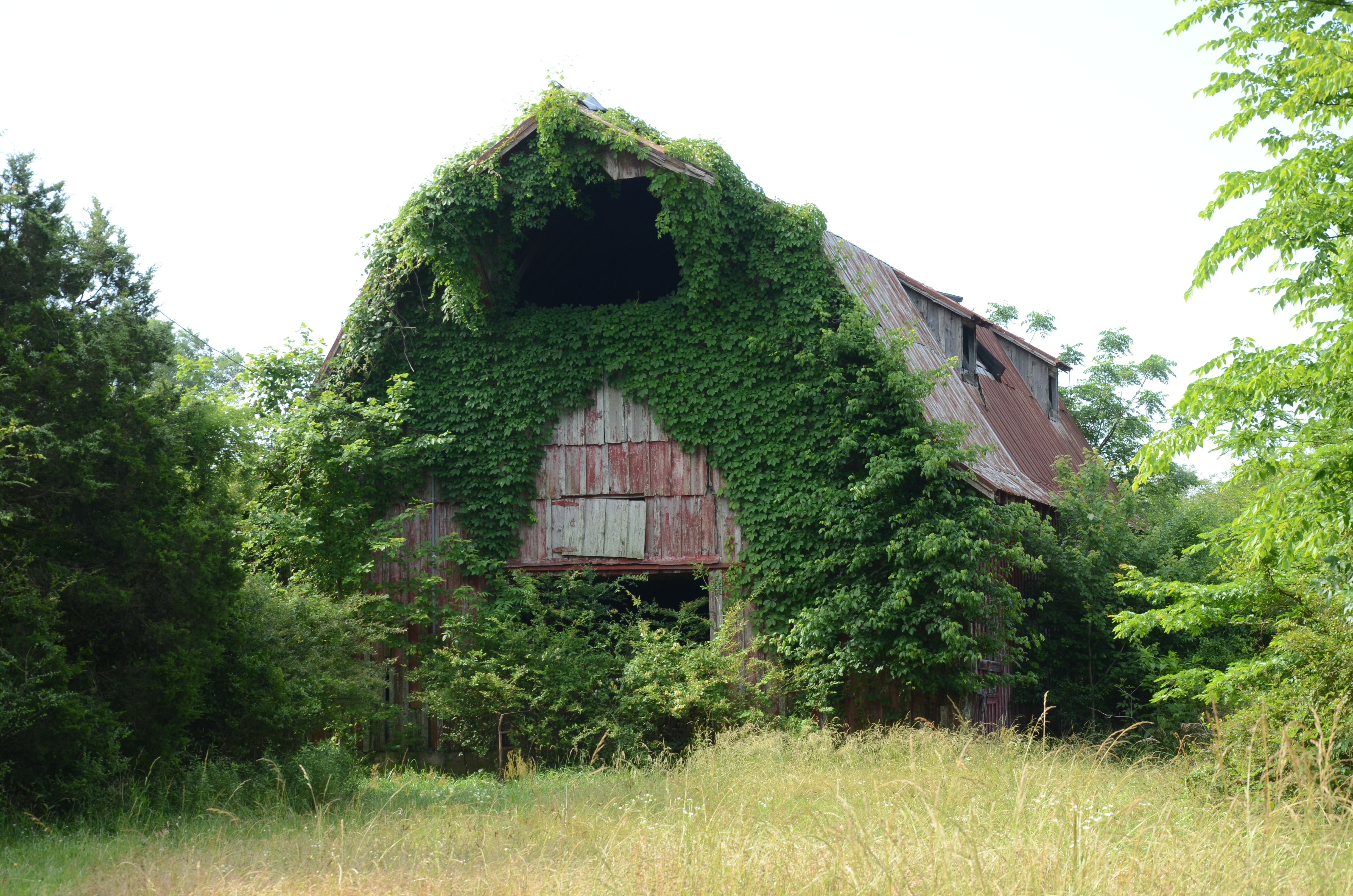
It was a green, hungry sea that swallowed barns whole, leaving only ghostly outlines of eaves and weather vanes. It draped the power lines and choked the creeks, a relentless, photosynthetic tide that crept closer to town every year. We’d all grown up with it. It was just the kudzu. A nuisance. A fact of life. Until we learned it was so much more.
I’d moved back to Piedmont after my father’s stroke, trading a cramped Birmingham apartment for the quiet, cloying stillness of my childhood home. The first thing I noticed was the smell. It had always been there, I suppose; that sweet, cloying odor of rot and new growth, like a compost heap piled with honeysuckle. But now it seemed stronger, more malevolent.
The first horror was a small one. Old Mr. Henderson’s prize coon hound, Beulah Mae Crabtree, went missing. We found her two days later, not a hundred yards from the porch, tangled in a wall of kudzu so thick it was like a solid, green cliff. She was perfectly preserved, almost mummified, her fur matted with the vines that had grown through her, around her, becoming part of her. The sheriff chalked it up to a strange accident, a dog getting stuck and dying of thirst.
Then it was the Cox boy, Billy Joe. He’d been playing in the field behind their property. His mother said she only looked away for a minute. They found his sneaker at the edge of the kudzu. When the search party went in, armed with machetes and grim determination, they came out an hour later, pale and shaking. They said the vines… moved. Not like in the wind. They recoiled from the blades, they slithered, they tightened. One man showed me the lacerations on his arm, not cuts from a blade, but deep, whip-like welts, as if the vines themselves had struck him.
Billy Joe never was found.
That’s when the whispers started. The old-timers at the diner, their voices low over cups of bitter coffee, spoke of the “Green Sleep.” They said the kudzu wasn’t just a plant. It was a presence. A lazy, patient consciousness that had come with the vine, a silent predator that had been sleeping off its long journey from Asia and was now, finally, waking up, ravenous for the rich, red Alabama soil and the things that walked upon it.
My father, propped up in his bed by the window, would stare out at the green wall that had once been our back forty. His speech was slurred from the stroke, but his eyes were terrified and clear. “It… remembers,” he’d rasp, his gnarled hand gripping mine. “It… remembers… the blood.”
He told me a story then, one I’d never heard. About the summer the kudzu first arrived, sold as a miracle plant to stop erosion on the spent cotton fields. About a peddler who came through, a sharp-faced man with northern money and a smile that didn’t reach his eyes. About a fight that broke out behind the old gristmill, a fight over money and a deed, a fight that ended with that peddler buried in a shallow grave in the very field they were trying to save.
“We thought… it’d just… grow over,” my father whispered, tears cutting paths through the wrinkles on his cheeks. “And it did. Oh, God, it did. It grew so well there.”
The horror wasn’t just that the kudzu was taking people. It was that it was revealing things. A drought hit, a brutal weeks-long dry spell that baked the earth and finally, for the first time, caused the kudzu to recede. Not die. Just pull back.
And it showed us what it had been hiding.
We saw the shapes woven into its deepest roots. The rusted skeleton of a ‘58 Chevy Bel Air that had vanished with Bobby Lee Sears inside it after a prom night argument in 1963. The crumbling foundation of a house that belonged to the Clay family, who had supposedly moved to Chicago in the seventies. And, near the old gristmill, a mostly-consumed human form, the tattered remains of a sharp, northern-style suit still visible on the bones the vines had not yet pulled completely into the earth.
The kudzu wasn’t just a predator. It was a keeper of secrets. A green, growing shroud for every sin and misdeed this town had ever tried to bury. It had fed on our guilt, on our silence, and it had grown strong and sentient on it.
Now, it’s in our dreams. We all hear it, a low, vegetative hum on the edge of sleep, a sound of infinite patience and hunger. The county has given up. The state won’t come. The roads out of town are clogged with the cars of those who fled, but the vine grows over the asphalt faster than they can drive.
We stay. We board up our windows, but we know it’s useless. We can hear it at night, a soft, scraping sound against the wood, a leafy sigh against the glass. It’s not trying to get in. It’s just reminding us it’s there. It’s waiting.
It knows we have nowhere to go. It knows we are the children of the blood and soil it was seeded in. And it knows, with the terrifying certainty of a force of nature, that eventually, our silence, our fear, and our very bodies will all return to the earth.
And the kudzu will be there, waiting to welcome us home.
*****
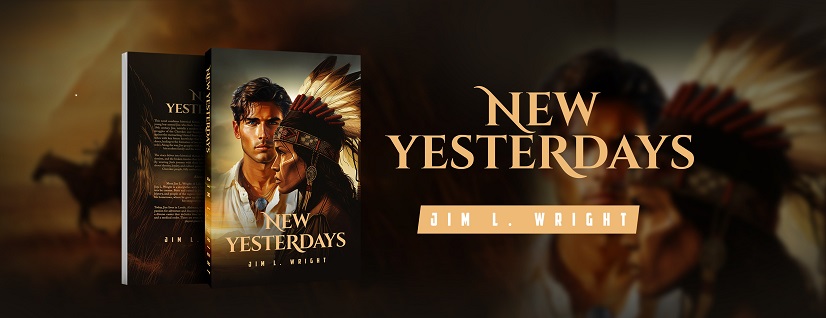
And, you know I mustn’t neglect the obligatory shameless self-promotion. New Yesterdays is available through the following links: Books-A-Million, Barnes & Noble, and Amazon as well as your favorite bookshops. The Audiobook is available from Libro.fm, as well as Amazon.



 olbigjim
Yeeks, Jim. Good one.
LikeLiked by 1 person
Thanks, John!
LikeLiked by 1 person
😊
LikeLiked by 1 person
Whoa! Stephen King, eat your heart out!
LikeLiked by 1 person
Wow! Thanks, Mitch, I’m as proud as a whitewashed pig after hearing that!
LikeLike
Fascinating tale of the kudzu, Jim.
LikeLiked by 1 person
Kudzu is an interesting entity, Tim. Are you familiar with its creepiness?
LikeLiked by 1 person
Had never heard of it until I read your post, Jim.
LikeLiked by 1 person