“The land remembers what the living forget.” — Old saying from Piedmont
In the beginning, there was the land, and the land was lonesome.
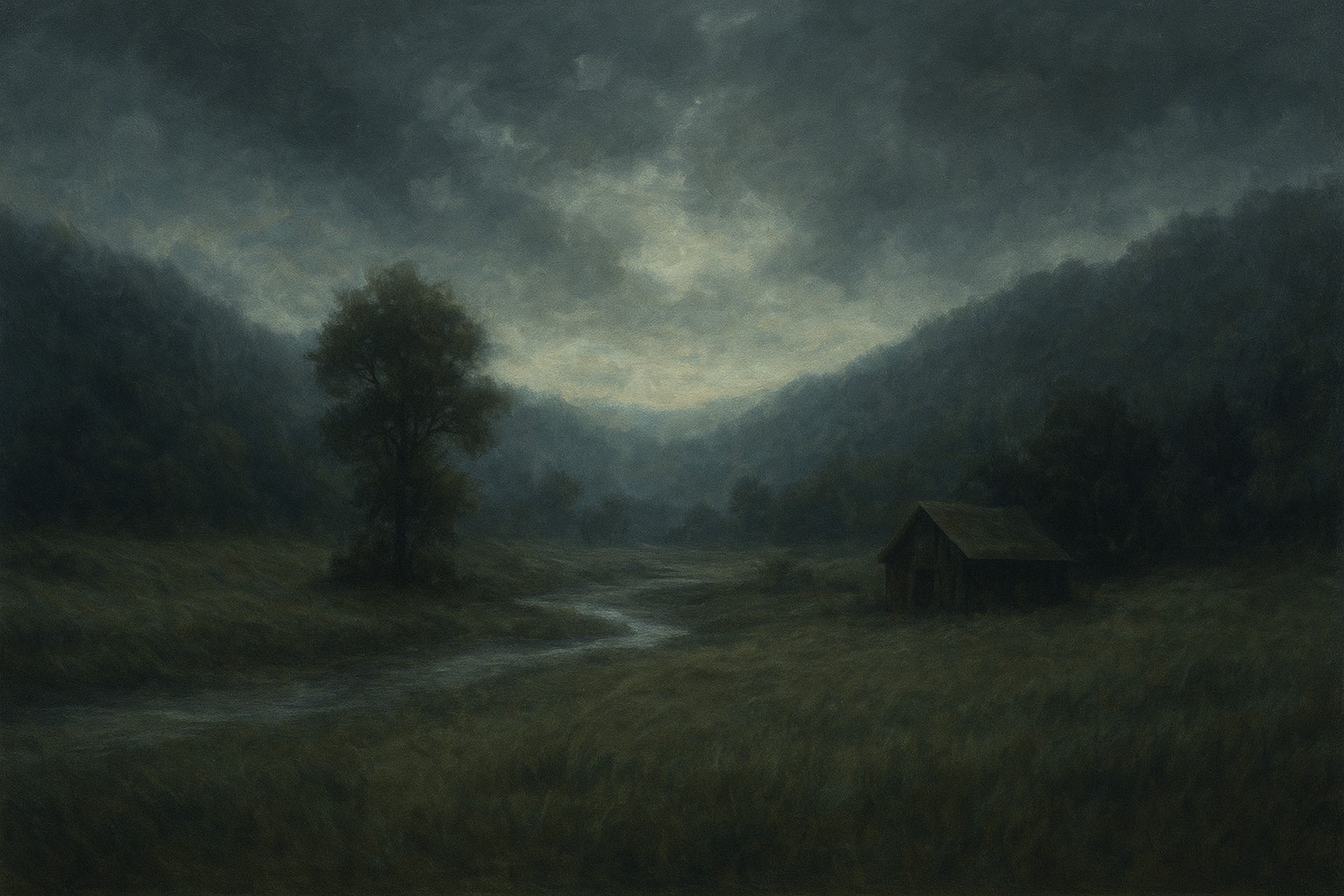
It lay there in long folds of grass and clay, the hills slouching against one another like old men too tired to talk. The river ran slow and patient, as if it was waiting for someone to notice it. And when at last the first men came, the land lifted its head and listened; not sure yet whether this was salvation or ruin.
Grady Mitchell was among those first few. He wasn’t the sort meant for making history. He’d been a river man, a failed preacher, and a reluctant farmer. He had the soft look of someone who’d been disappointed too gently to ever get angry about it. When he came over the ridge and saw the hollow, he said, “Well, I reckon even God needs a quiet place to rest His mistakes.”
He built a cabin by the creek. It was a slant-roofed thing that looked like it might apologize and fall over if you leaned on it wrong. The chimney smoked at odd angles. The door squeaked a hymn every time it was opened. But it held him, and it was enough.
For years, the world forgot him, and he was content with the forgetting. He grew beans and corn, fished the creek, and played his fiddle in the evenings. When he played, the music didn’t so much fill the air as remind it what silence used to sound like.
But the world is restless, and men are worse. By and by, the settlers came: farmers, traders, dreamers, drifters. They saw the land not as quiet, but as empty. And that was enough to rouse their ambition.
Grady watched them build fences where wind once wandered free. He watched them plow the meadows, their oxen dragging iron through the soil like judgment. He said little because words were too small to argue with progress.
When they built the church, they asked Grady to play the dedication. He stood at the edge of the new clearing, hat in hand, eyes tired. “This is a fine house for a Lord who never asked for one,” he said, but he played anyway.
The fiddle sang low and sweet, and some swore the sound carried all the way up to Dugger Mountain. The song wasn’t exactly a prayer, but might’ve been forgiveness.
The preacher, young and bright as spring, thanked him after.
“Brother Grady,” he said, “you’ve got the gift of making even sorrow sound holy.”
Silas only smiled.
“Most sorrow already is,” he said.
As years passed, the town of Piedmont grew around him: a tavern, a schoolhouse, fields of cotton where the wildflowers used to bow. The wind learned to move around houses instead of through them. The creek grew quieter under bridges.
When Grady died, no one was sure exactly when it happened. Some said he walked off into the woods one evening, fiddle in hand, following a sound nobody else could hear. Others said the river rose that spring and took the cabin whole.
Either way, Piedmont held its breath for a while afterward, as if unsure whether to mourn or keep on living.
Now, when the storms come up from the south and roll over the valley, the wind carries a sound like a bow on strings, faint and aching. The old folks say it’s Grady reminding the land what beginnings sound like: soft, uncertain, half-lonely, half-holy.
And the young ones laugh, of course. They say it’s only the wind through the cedars. But the older you get, the less sure you become of what’s only the wind.
Because in the beginning, there was the land.
And the land remembers.
***
Sometimes, when the rains come heavy in April, I drive the old road down through Piedmont. The place is nothing much now. There are a few farmsteads left, a church swallowed in vines, a stretch of creek that still finds its voice after dark.
If you park by the ridge and roll down your window, you can hear it. It’s not music, exactly, but the ghost of a melody rising from the trees. The kind of sound that makes you forget what century you live in.
My Pawpaw used to say the land don’t forget a man who listened to it proper. That maybe grief and music are the same thing, just wearing different faces.
I don’t know if Grady Mitchell was real or not. I only know that when the storm leans in close, the fields still seem to bow, the river still hums beneath the thunder, and for one trembling moment, the whole valley seems to remember how it began.
⁂
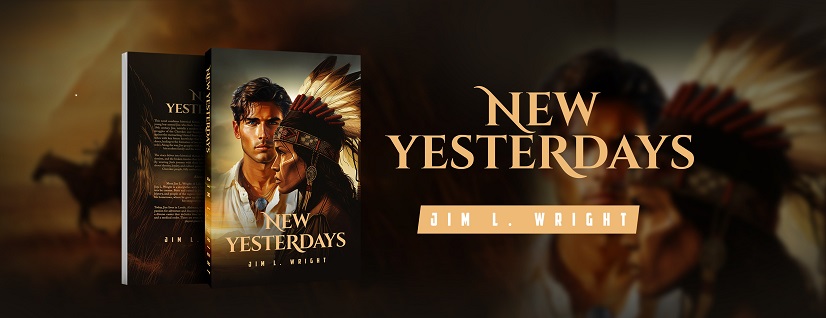
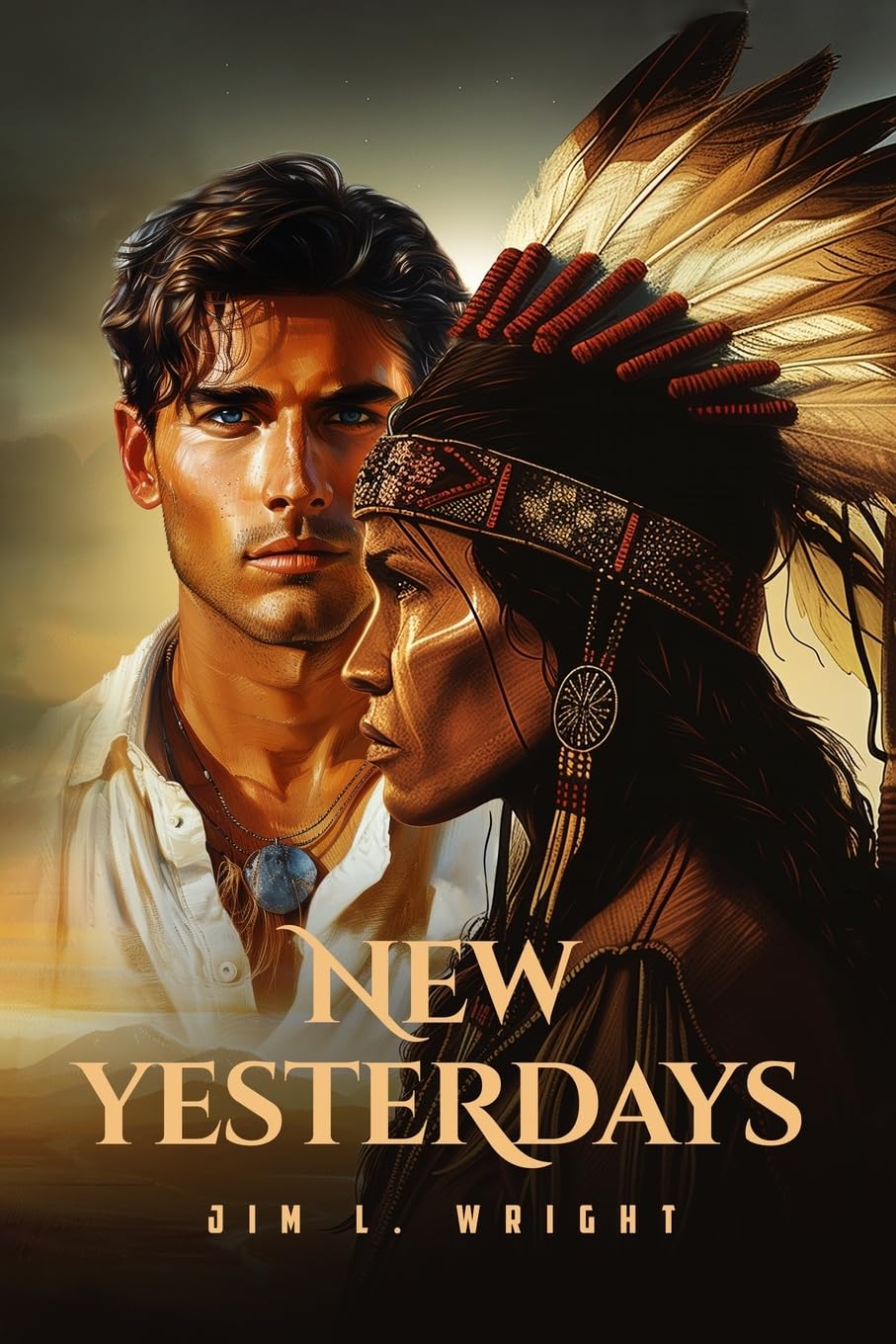
And now, if you’ll indulge me, I’ll throw in this bit of shameless self-promotion. New Yesterdays is available through the following links: Books-A-Million, Barnes & Noble, and Amazon as well as your favorite bookshops. The Audiobook is available from Libro.fm, as well as Amazon. If you didn’t find your copy in the ol’ Christmas stocking, click any of these links to get it today! Ol’ Big Jim will thank you a hundred thousand times.


 olbigjim
Love this!
LikeLiked by 1 person
Thank you, Karla! I reckon we’ve a lot to ask forgiveness for, don’t we?
LikeLike
Fascinating story about Grady, Jim, and imaginative description of the weather in Piedmont.
LikeLiked by 1 person
Thanks, Tim! I’ve seen some weather in my day in Piedmont, I can tell you.
LikeLiked by 1 person