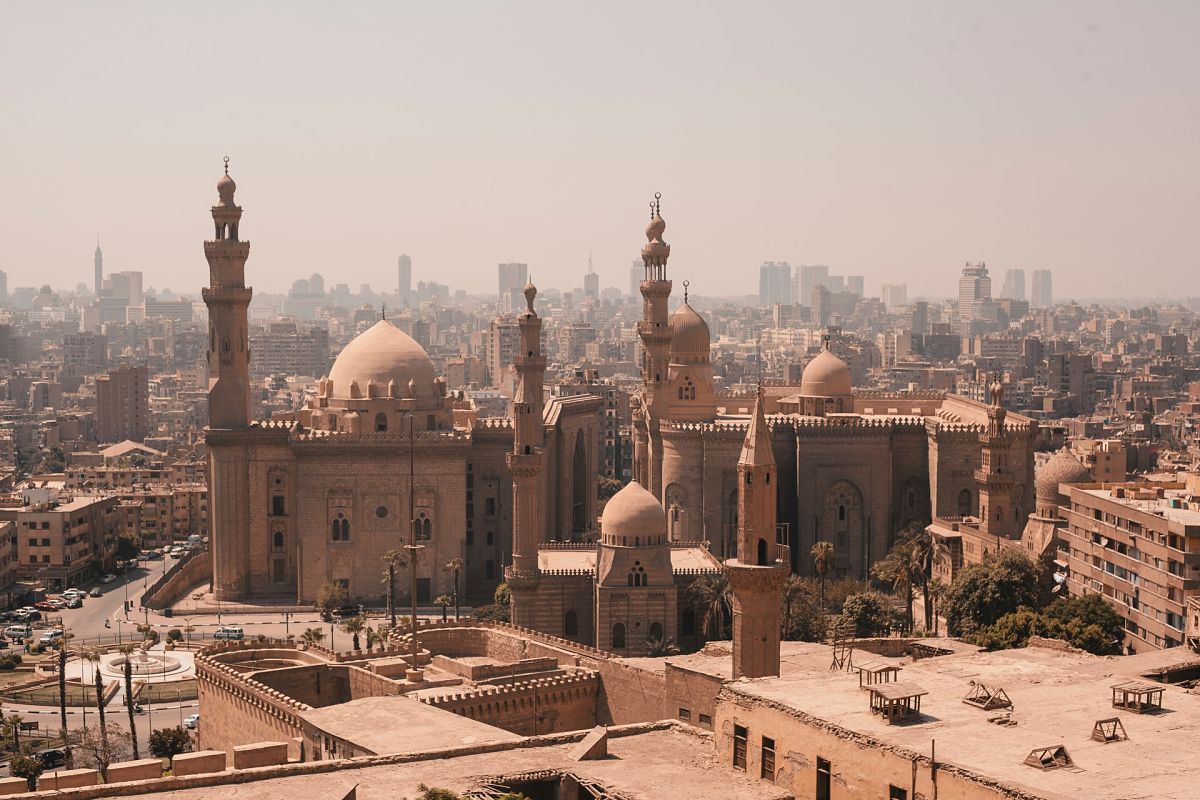
Well, sir, I have seen a few places in my time—stumbled through the fog of London, got myself tolerably lost in the canals of Venice—but I reckon nothing quite prepares a Christian man for the city of Cairo. It is a regular pandemonium of a place, a splendid, deafening, glorious mess, and if you were to stand still in the midst of it for more than a minute, I shouldn’t be surprised if the dust of ages settled on you so thick you’d be taken for an antique and sold to a tourist from Milwaukee.
The adventure began, as most of my catastrophes do, with a fellow who knew a fellow. This one was a guide, name of Habib, a man with a smile so constant and sincere you’d have handed him your wallet just to keep the expression on his face. He claimed he could get me and my companion—a young, green fellow from Piedmont who still believed in the inherent goodness of his fellow man—into a part of the bazaar where the real treasures were, not the painted trinkets they hawk to the common herd.
“You will see, Haj,” said Habib, his eyes twinkling like black diamonds. “A scarab from the very hand of Pharaoh’s pet bug-catcher! A lamp that once annoyed Aladdin! For you, a special price.”
Now, I have been to three county fairs and a hog calling, and I know the sound of a man laying it on thicker than molasses in January. But the young fellow from Piedmont, his eyes were wide as saucers. So, out of a sense of paternal obligation—and, I confess, a powerful curiosity—I allowed myself to be led.
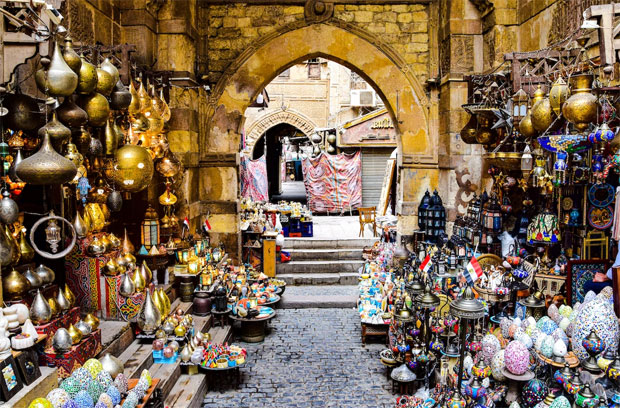
We plunged into the Khan el-Khalili, and sir, it is a sight to behold. It is not so much a market as it is a living creature, a great, pulsing serpent of an alleyway, swallowing a man whole. The air is thick with the smell of spices, camel, and a thousand years of haggling. Coppersmiths beat out a rhythm that would give a New Orleans jazzman a fit of the vapors, and the merchants, they don’t just call to you, no sir, they diagnose you, they prophesy your future needs.
“You, sir! Englishman! You look like a man who needs a very specific kind of carpet! One that fixes a bad back and a poor marriage!”
“American! Your soul is lonely! This silver necklace will fix it! See how it shines! It shines for you!”
Habib navigated it all like a politician working a room, waving them off with a cheerful torrent of Arabic that I suspect contained several inventive suggestions about their parentage. He led us through a doorway so low I had to remove my hat and my dignity, and into a small room where the air was cool and smelled of old leather and sandalwood.
An ancient man, who looked as if he’d been dried in the sun and preserved in tobacco smoke, was sitting on a pile of cushions. He didn’t say a word. Habib did the talking. He produced, from a carved wooden chest, a small statue of a cat.
“This, Haj,” Habib whispered, as if the walls had ears, “is Bastet. She protected the great temple of… of a very great Pharaoh. She has seen the rise and fall of empires.”
The cat had one ear chipped and a look of profound boredom on its face. It looked less like a divine protector and more like a feline who had just been told the milk was all gone.
The young fellow from Piedmont was breathless. “My word, Jim! The craftsmanship!”
I took the cat. It was about as heavy as a good baking potato. I tapped it with my knuckle. It made a hollow thunk.
“Habib,” says I, “this cat sounds remarkably well-preserved for its age. I’d wager it was preserving itself in a factory in Birmingham not three months ago.”
Habib’s smile did not falter. It merely intensified, as if I had paid him a high compliment. “Ah, Haj! You are a clever man! A very clever man! That is the test! You have passed! Now, for the real treasure.”
The old man produced a small, mummified bundle about the size of a terrier. It was, Habib assured us, a genuine royal cat of the Twenty-Second Dynasty. “A companion for the afterlife,” he breathed. “For you, a special price. One hundred pounds English.”
The Piedmont fellow looked ready to mortgage his future. I examined the bundle. It was decidedly cat-shaped, and it had that authentic look of something that had been in a fight with a taxidermist and lost. But something about it bothered me. I leaned in close, and there, pinned to the ancient linen, was a small, handwritten tag. I adjusted my spectacles and read:
“Property of Dept. of Archaeology, University of Oxford. Specimen #782. DO NOT REMOVE.”
I cleared my throat. “Habib, my friend,” I said, “it appears this particular afterlife companion was planning an afterlife tour of England before it was so rudely interrupted.”
Well, sir, what followed was a most remarkable and silent performance. Habib looked at the mummy. He looked at the tag. He looked at me. He looked back at the mummy. His smile finally collapsed, not with anger, but with the profound disappointment of a master artist whose pupil has made a foolish, elementary error. He let out a torrent of what I can only assume was the most scorching, poetic profanity in the Arabic language, directed at the old man, who simply shrugged, as if to say, “You can’t check them all for tags.”
We made our exit, rather promptly, the sounds of a vigorous domestic dispute unfolding behind us. The young fellow from Piedmont was terribly disappointed he didn’t get his mummy.
We emerged back into the glorious, shouting chaos of the bazaar. The sun was fierce, the dust was golden, and a man was trying to sell me a “genuine” piece of the Sphinx’s nose. I bought a cup of coffee so strong it could have marched out of the cup on its own, and I felt entirely at peace.
You see, the real treasure of Cairo isn’t in some dusty back room. It’s the whole, magnificent, ridiculous show. It’s the greatest bazaar on earth, where the most precious commodity isn’t a scarab or a mummy, but a good story. And for the price of a cup of coffee and a tolerably good lie, I had gotten myself a ripping fine one.
*****
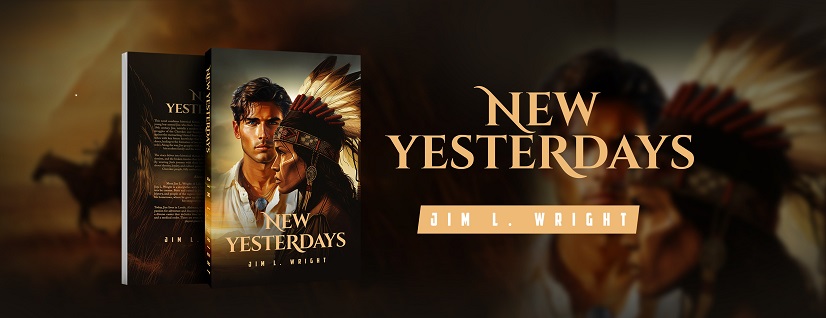
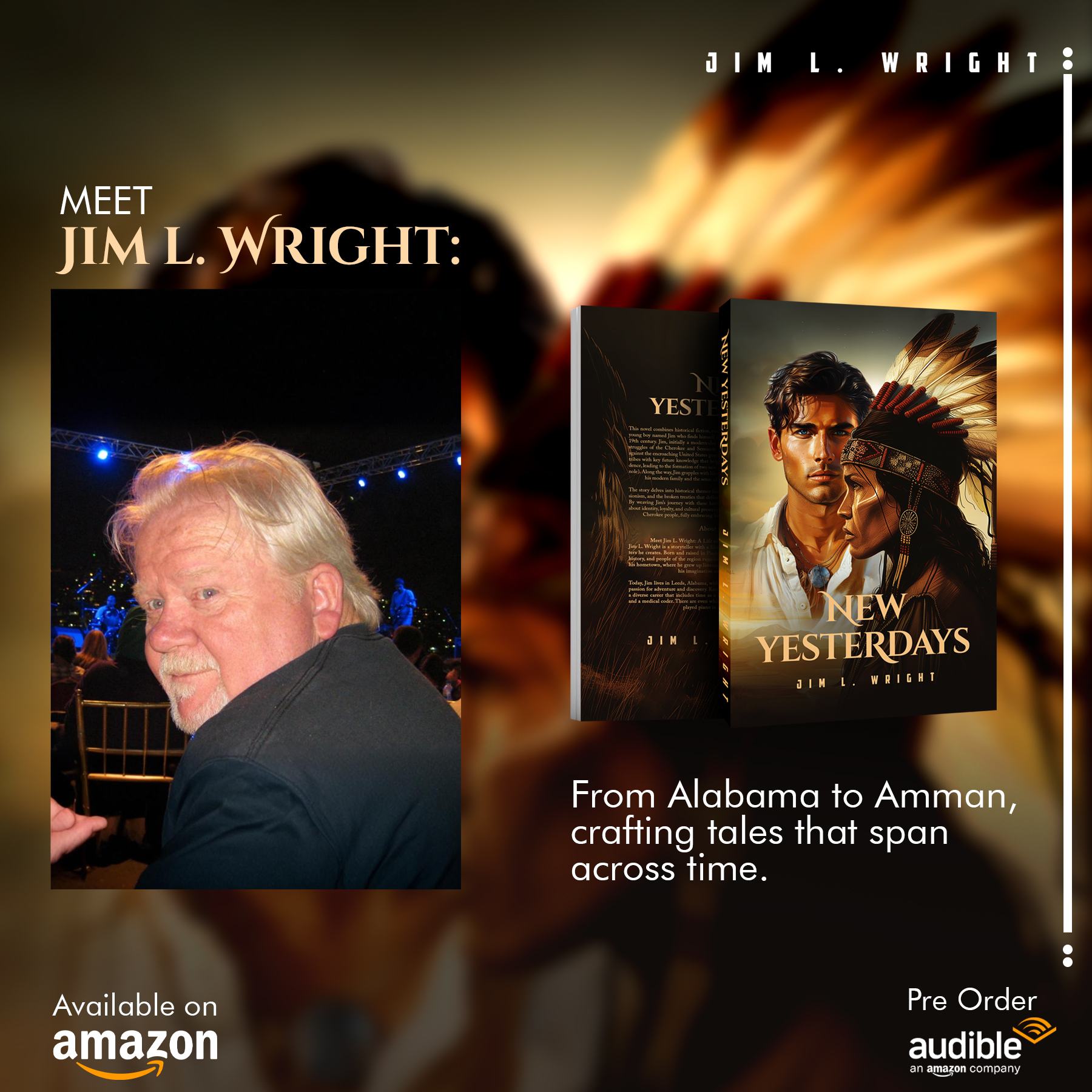
And, you know I would never leave you while neglecting the obligatory shameless self-promotion. New Yesterdays is available through the following links: Books-A-Million, Barnes & Noble, and Amazon as well as your favorite bookshops. The Audiobook is available from Libro.fm, as well as Amazon.


 olbigjim
Fascinating, Jim!
LikeLiked by 1 person
Thanks, Tim!
LikeLiked by 1 person