An Uncle Toby McCarley Porch Story
Night Eleven: The Final Five Ballots
By the eleventh evening, nobody could pretend this was accidental anymore. The gathering had become a fixture. Folks planned around it. Suppers were eaten early. Dishes were left in sinks. Television sets remained dark. Hughes Street filled with lawn chairs and anticipation. Uncle Toby emerged from the house carrying a fresh Mason jar of sweet tea and what appeared to be an entire pecan pie. Pearl pointed.
“That’s excessive.”
The old man sat down.
“At my age, every pie is a race against time.”
Nobody could argue with that. Though Beulah Mae attempted it. Earl leaned forward.
“The ballots.”
“The last five.”
“Tobe.”
The old man sighed.
“Earl, if I answer any faster, you’ll use up the story.”
The crowd settled. The lanterns flickered. And once again, the years slipped away.
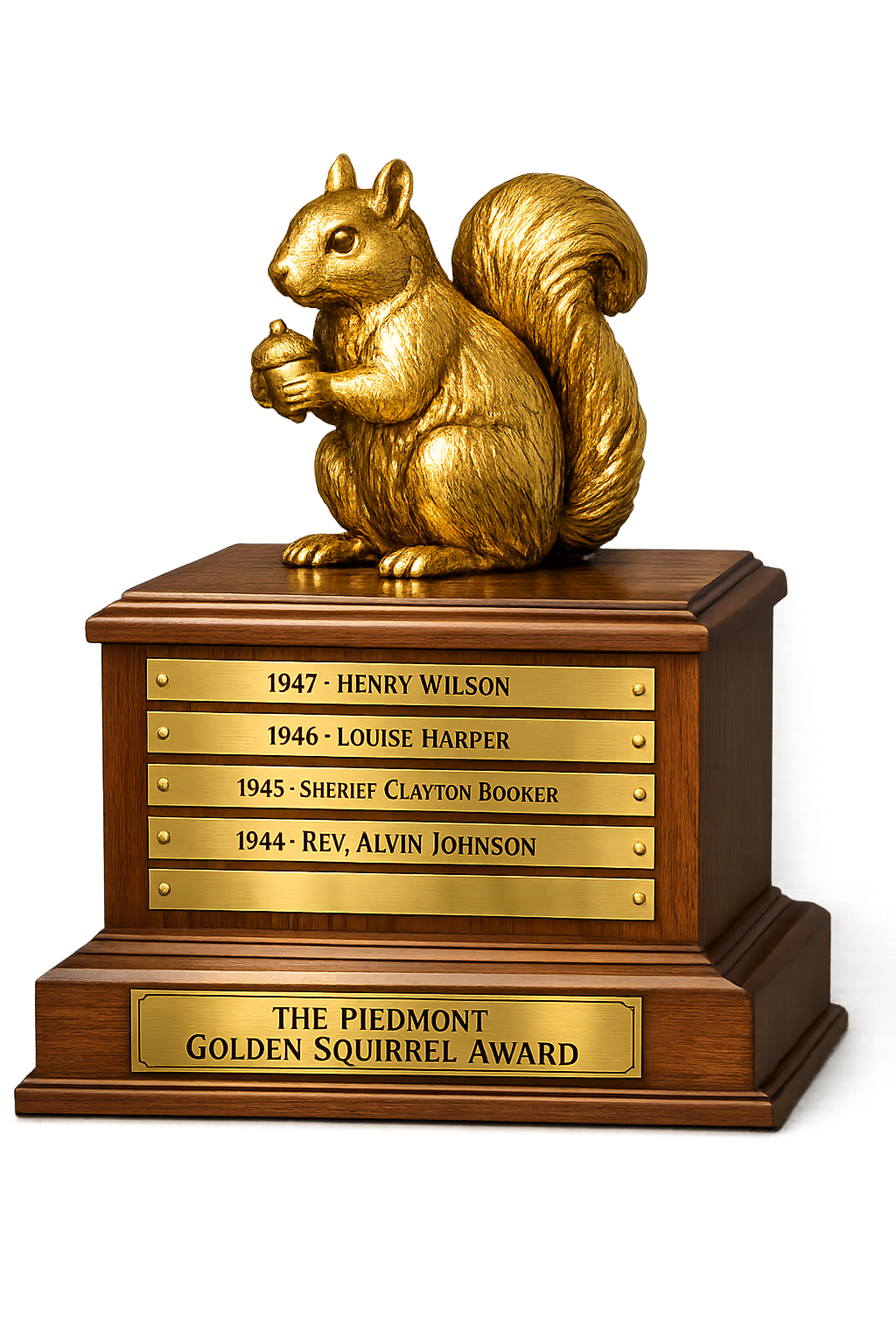
September, 1948. The community room had gone quiet. The kind of quiet that only arrives when something unexpected appears. Mayor Pritchard held one of the final ballots in his hand. Looking at it. Then, looking at the committee. Then, looking back at the ballot.
“What’s wrong?” somebody called.
The mayor cleared his throat.
“Nothing’s wrong.”
A pause.
“Not exactly.”
That helped no one. The crowd shifted restlessly. The committee exchanged glances. Even Wilbur Crenshaw looked confused. Which was unusual. Editors generally preferred being confused in private. The mayor unfolded another ballot. Then another. His expression remained the same. Perplexed. Bewildered. Slightly irritated. The expression of a man who had expected a simple evening and received Piedmont instead. Finally, Horace Blalock stood.
“What is it?”
The mayor handed him one of the ballots. Horace read it. Blinking twice. Then once more.
“What in the world?”
Back on Hughes Street, the crowd erupted.
“Tobe!”
“What’d it say?”
The old man smiled. The smile alone should’ve been illegal.
In 1948, Horace handed the ballot to Wilbur. Wilbur read it. Then laughed. Actually laughed. The first genuine laugh of the evening. The room immediately became louder. People stood. People craned their necks. One fellow climbed onto a chair. Another climbed onto the first fellow’s chair. Neither maneuver improved visibility. At last, the mayor raised both hands. The room quieted. Somewhat.
“The ballot says…”
He looked down. Then up again.
“The Piedmont Bulldogs.”
Silence. Absolute silence. Then somebody snorted. Then somebody else. Then laughter spread through the room like a brush fire.
“The football team?”
“The whole team?”
“You can’t vote for thirty-seven people!”
Back on Hughes Street, Sheriff Booker laughed so hard he nearly dropped his coffee.
“Toby.”
“It happened.”
“Five ballots?”
“Five ballots.”
In 1948, the committee examined the remaining four ballots. Each contained exactly the same vote. THE PIEDMONT BULLDOGS No individual. No explanation. Just the team. The room immediately divided itself into factions. Because that’s what rooms full of Piedmont citizens do. One group argued the votes were invalid. The rules clearly specified a person. Not a football team. Another group argued the boys had inspired the fundraiser. Without them, none of this would’ve happened.
A third group simply enjoyed the argument. Every town has those people. Young Toby watched from the back. Absolutely fascinated. The election itself had become less interesting than the adults. Finally, the preacher stood. Which usually meant things were about to calm down. Usually.
“They’re not eligible.”
Half the room nodded.
“But…”
The other half groaned. They knew a preacher’s “but” could add twenty minutes to any discussion.
“The sentiment is admirable.”
The groaning intensified. The debate continued another hour. Then another. Then another. Outside, darkness settled over Piedmont. Inside, nobody moved. Nobody surrendered. Nobody agreed. And all the while the actual vote count remained unfinished.
Back on Hughes Street, Uncle Toby leaned back in the peacock chair. The crowd sat mesmerized. Even the children. Even Beulah Mae. Who had stopped taking notes entirely.
“What happened?” whispered Pearl.
The old man nodded.
“That’s the right question.”
He looked toward the dark street. Toward the lanterns. Toward the crowd.
“Because what happened next…”
A pause.
“…is the reason there was ever a winner at all.”
The yard went silent.
“Tobe.”
He stood. Immediately. The protests began. Loudly.
“You can’t.”
“Oh, yes, he can.”
“Don’t you dare.”
The old man shuffled toward the screen door. Then paused. Just long enough. And with one hand on the handle, he said:
“The next ballot belonged to Sam Mickelsen.”
The screen door slammed. And forty people spent the next twenty-four hours trying to figure out why that mattered.


I’m with the citizens of Piedmont. Why does that matter?
LikeLiked by 1 person
Why, indeed, John…
LikeLiked by 1 person
😊
LikeLiked by 1 person
It’s impressive that people planned around the gathering at Uncle Toby’s, Jim. It must have been quite the election.
LikeLiked by 1 person
Yes, Lord, and contentious in some ways. Especially when the results are told.
LikeLiked by 1 person
Yes, indeed, Jim!
LikeLiked by 1 person