A Piedmont Lantern Story
Easter Sunday in Piedmont arrived dressed in its very best intentions.
The bells rang early, the lilies overdid themselves, and every respectable soul in town put on a face that said I have reflected deeply and will be hungry by noon. This included Jimmy Matthew and Jim Leroy Cartwright, neither of whom had reflected on a thing except how long they were expected to sit still.
They were supposed to be in the third pew on the left.
They were not.
Instead, they were behind the church, crouched near the old oak that leaned like it had heard confessions it never repeated.
“You sure this’ll work?” Jim Leroy whispered.
Jimmy Matthew grinned, already doomed. “It’s Easter. Miracles is traditional.”
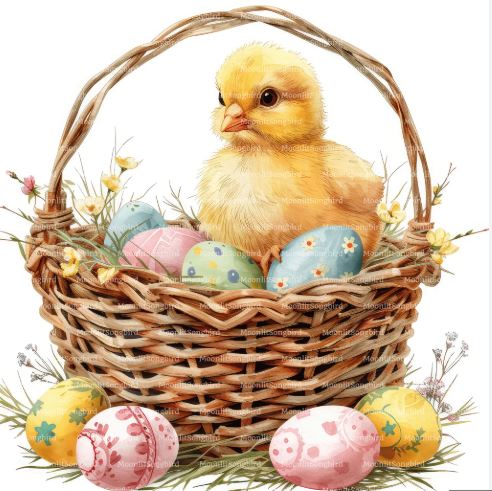
Between them sat a basket. Not the kind with grass and chocolate. This one held three carefully painted eggs, one rubber snake, and a small wind-up chick Jimmy Matthew had liberated from Aunt Jenny’s mantel.
The plan, if it deserved that word, was simple.
They would place the eggs where Miss Sadie Crowder, self-appointed Easter Captain, would find them during the children’s egg hunt. The snake would be revealed last. The chick was insurance.
“What’s the chick for?” Jim Leroy had asked earlier.
“In case redemption’s required,” Jimmy had said.
They waited until the final hymn drifted through the open windows, voices raised and confident. Jimmy Matthew made his move. He darted forward, quick as sin, tucked the eggs just so, and retreated without incident.
Too easy.
“That went suspiciously smooth,” Jim Leroy said.
That’s when the wind-up chick went off in Jimmy’s pocket.
Cheep. Cheep. Cheep.
Jimmy froze.
The hymn faltered inside the church.
A child laughed. Someone shushed. The chick kept going.
Jimmy Matthew bolted.
Jim Leroy followed, laughing so hard he ran crooked. They made it halfway toward the graveyard before Miss Sadie Crowder burst out the side door, eyes sharp enough to cut glass.
“JIMMY MATTHEW,” she roared. “I know that was you.”
The egg hunt proceeded anyway, because Piedmont does not let theology interfere with tradition.
The first egg was found. Applause.
The second egg. More applause.
The third egg opened.
The snake sprang.
There was screaming. There was laughter. Deacon Gossett leapt like he’d seen the devil personally. In the confusion, the wind-up chick somehow ended up on the altar, cheeping joyfully through the closing prayer.
Later, much later, Jimmy Matthew and Jim Leroy sat on the edge of the creek, shoes off, pants muddy, stomachs full of ham biscuits they did not technically earn.
“You reckon we went too far?” Jim Leroy asked.
Jimmy considered. “Nobody died. That’s our general rule, ain’t it? Jim nodded sagely.”
From across the water came the sound of church laughter, the good kind, the relieved kind. Miss Sadie Crowder would threaten them for weeks, but she’d smile every time she did it.
“Easter’s about surprises,” Jimmy said finally. “That’s biblical.”
Jim Leroy nodded. “And comin’ back from trouble.”
They sat there awhile, listening to Piedmont breathe again, the day warm and forgiving.
Somewhere, the wind-up chick cheeped one last time and gave up the ghost.
And if that wasn’t resurrection-adjacent, Jimmy Matthew would argue the point with anyone foolish enough to try him.