An Uncle Toby McCarley Porch Story
Night Six: The Birth of a Bad Idea
By the sixth evening, Uncle Toby's front yard looked less like a gathering and more like an event. Eight lawn chairs. Three coolers. A folding table somebody had brought without permission. Children occupied the front row. Adults occupied everything else. Two people had arrived from Jacksonville. One from Centre. And somebody claimed a fellow from Anniston was planning to come next week. Uncle Toby looked out over the crowd.
"Good Lord."
"What?" asked Earl.
"Y'all have multiplied."
"People like the story."
"They need better hobbies."
The crowd laughed. Toby lowered himself into the peacock chair. The wicker groaned. So did his knees. The crowd waited. The old man took a sip of tea. Then another. Then one more. Pearl finally pointed her fan at him.
"If you don't start talkin', we're liable to riot."
"Fair enough."
* * *
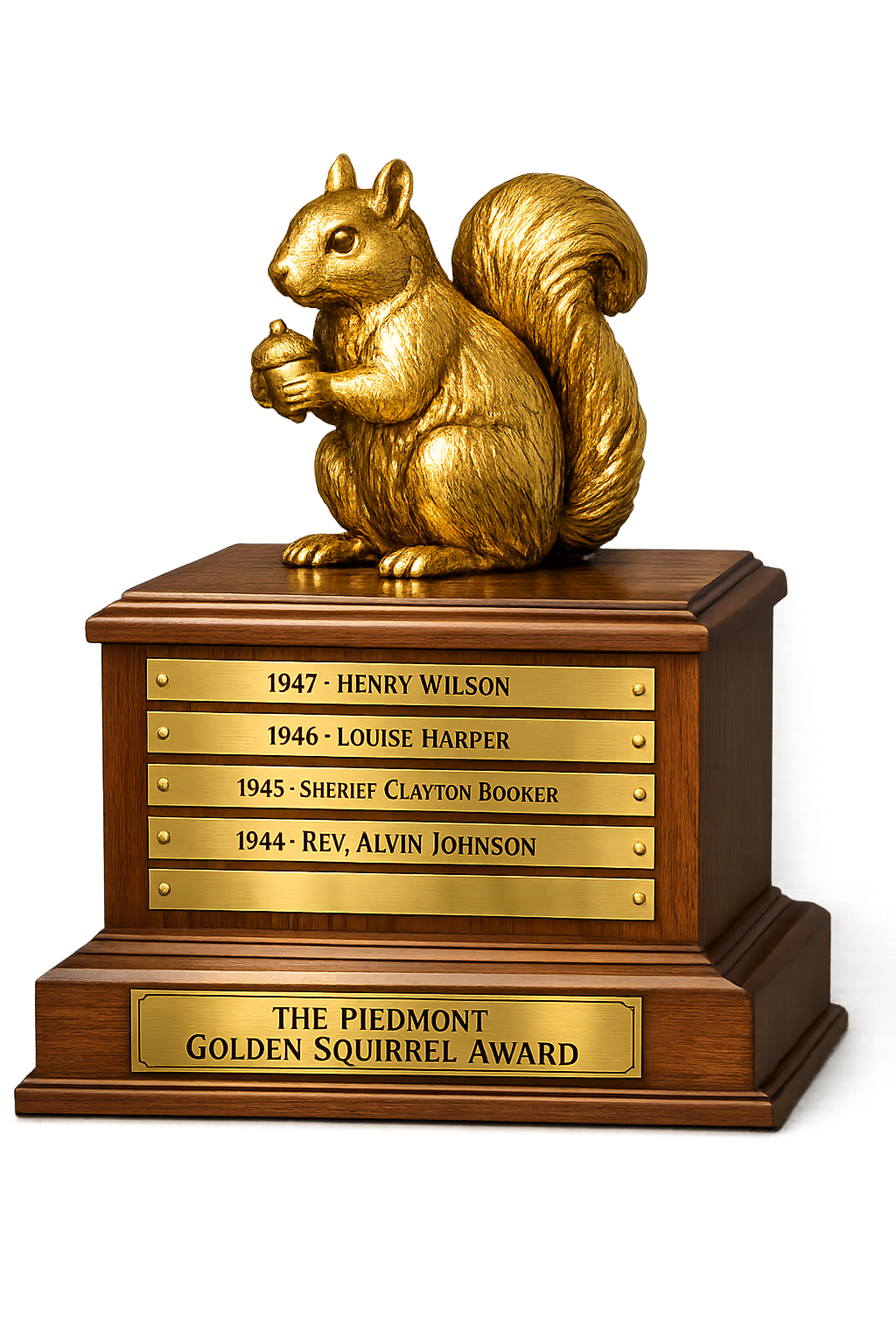
Summer of 1948. The fundraiser was a success. An undeniable success. By August, enough money had been collected to purchase brand-new football uniforms. The order had been placed. The team was ecstatic. The coach looked ten years younger. Parents walked around town grinning. The newspaper ran photographs. Everybody agreed it was a wonderful achievement. For nearly three days. Then people began discussing who deserved credit.
* * *
Back on Hughes Street, the crowd nodded knowingly. Every single one of them had seen that happen before.
* * *
One afternoon a celebration meeting was held above the hardware store. The room was packed. The mood was cheerful. At first. Mayor Pritchard stood and thanked everybody. The coach thanked everybody. The preacher thanked everybody. The newspaper editor thanked everybody. After a while, the thanking itself became exhausting. Then somebody made a suggestion. A tiny suggestion. A harmless suggestion. The sort of suggestion that destroys lives.
* * *
The voice belonged to Lester Boggins. Lester sold insurance. Nobody knew exactly how.
"Maybe," Lester said, "we ought to recognize folks who help the town."
The room nodded. That seemed reasonable. Very reasonable. The most dangerous kind of reasonable.
* * *
"What do you mean?" asked the mayor.
Lester spread his hands.
"I mean maybe we ought to have an award."
The room fell quiet. Clayton Reynolds immediately looked uncomfortable. The coach looked interested. The newspaper editor looked delighted. The preacher looked cautious. Horace Blalock looked suspicious. Which was just his normal expression.
* * *
"An award?" asked the mayor.
"Sure."
"What kind of award?"
Lester had not considered that. Which was unfortunate. Because everybody immediately started offering suggestions. And every suggestion was worse than the one before.
* * *
One man wanted a medal. Another wanted a plaque. A third proposed a ceremonial key to the city. Piedmont didn't actually have a ceremonial key. That didn't stop him. Someone suggested a trophy. Someone else suggested a parade. One woman suggested naming a street after the winner. Several residents of that street objected immediately.
* * *
The arguments continued for nearly an hour. Nothing was decided. Everything was debated. Exactly as God intended.
* * *
Finally Horace Blalock stood. The room quieted. Whenever Horace stood, folks assumed either wisdom or trouble was about to occur. Usually trouble.
"Why don't we just give 'em a squirrel?"
The room stared. Horace blinked. They blinked back.
"Well?"
Nobody answered.
"The town's got squirrels."
Still nothing.
"The courthouse square's full of 'em."
Silence.
* * *
Back on Hughes Street, the crowd erupted.
"Tobe!"
"He didn't!"
"He absolutely did."
The old man was laughing so hard he nearly spilled his tea.
* * *
In 1948, Horace grew defensive.
"What?"
The coach rubbed his forehead.
"The award should represent Piedmont."
"It does."
"How?"
Horace looked genuinely confused.
"We got squirrels, don't we?"
The room groaned.
* * *
Then something remarkable happened. Lester Boggins nodded.
"Actually…"
Everybody turned. The mayor frowned. The editor frowned. The preacher frowned. Lester continued.
"It ain't the worst idea I've heard."
The room stared. Horace looked shocked. Nobody had ever agreed with him so quickly before.
* * *
Then the newspaper editor started smiling. Which should've worried everyone.
"A squirrel…"
He scribbled something in his notebook.
"A golden squirrel."
The room fell silent. The coach looked thoughtful. The mayor looked thoughtful. The preacher looked concerned. Horace looked proud. For perhaps the only time in his life.
* * *
And just like that… The idea began spreading. A golden squirrel. A symbol of service. A symbol of Piedmont. A ridiculous idea. Which is precisely why people loved it.
* * *
Back on Hughes Street, Uncle Toby finished his tea. The crowd sat staring. Nobody seemed quite sure whether they should laugh or not. Finally, Earl spoke.
"So, Horace invented the Golden Squirrel?"
"Accidentally."
"That's incredible."
"It's Piedmont."
Fair point.
* * *
The old man slowly rose from his chair. The crowd instantly objected.
"Oh no."
"Not yet."
"Tobe!"
He grinned. The grin of a man committing a crime. Then he said:
"The next problem wasn't the squirrel."
The crowd leaned forward.
"It was deciding who should get the first one."
The screen door slammed. And for the first time all week, nobody complained. Because suddenly everybody knew exactly where the trouble was headed.
* * *


We all know where the story is headed. Well done, Jim
LikeLiked by 1 person
It’s looking a bit pat, isn’t it? You never know what gonna happen in Piedmont, though. Stay tuned.
LikeLiked by 1 person
Always.
LikeLiked by 1 person
Thank you, John, I’m happy to have you along for the tale.
LikeLiked by 1 person
😄
LikeLiked by 1 person
Fascinating story, Jim!
LikeLiked by 1 person
Thanks, Tim!
LikeLiked by 1 person
My pleasure, Jim. 😊
LikeLiked by 1 person